Why Finch Birds Change Color With the Seasons
Finch birds are admired for their cheerful songs and vibrant feathers. One fascinating feature that surprises many bird lovers is their ability to change color with the seasons. This transformation is not random—it plays a vital role in survival, breeding, and environmental adaptation.
2. What Is Seasonal Color Change in Finches?
Seasonal color change in finches happens mainly through a process called molting, where old feathers are replaced with new ones.
- Finches do not change color overnight
- New feathers grow with different pigments
- Changes often occur before or after breeding season
This allows finches to adjust their appearance to seasonal needs.
3. The Role of Molting
Why Molting Happens
- Old feathers wear out over time
- New feathers improve insulation
- Fresh plumage supports efficient flight
During molting, finches may appear dull or uneven, but once complete, their new colors emerge clearly.
4. Table: Finch Colors by Season
| Season | Feather Appearance | Purpose |
|---|---|---|
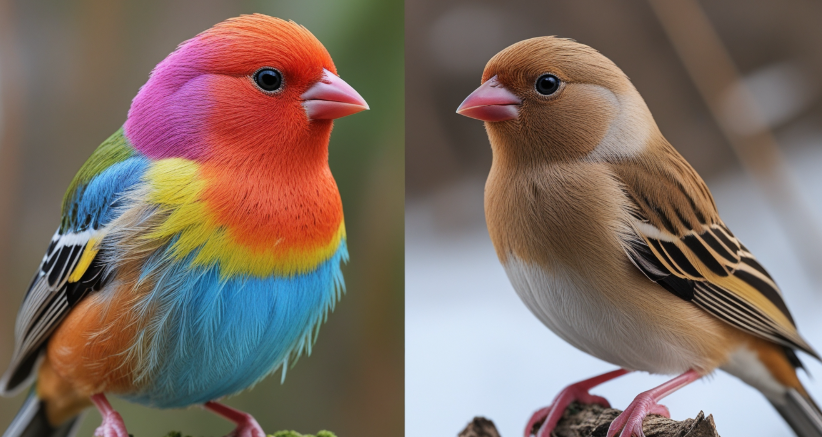
| Breeding season | Bright and bold colors | Attract mates |
| Non-breeding season | Duller, muted tones | Camouflage |
| Molting phase | Patchy or faded look | Feather renewal |
| Winter | Softer, thicker feathers | Warmth and survival |
5. Why Male Finches Change Color More
Male finches usually show stronger color changes than females.
- Bright colors signal health and strength
- Females select mates based on appearance
- Color intensity reflects good diet and genetics
Females remain more neutral to avoid attracting predators.
6. Diet and Color Intensity
A finch’s diet directly affects feather color.
- Natural pigments come from seeds, fruits, and plants
- Poor nutrition leads to faded feathers
- Healthy diets create richer, brighter tones
Color change often serves as a visual indicator of health.
7. Environmental Adaptation
- Dull colors reduce visibility to predators
- Bright colors appear only when necessary
- Daylight and temperature trigger hormonal changes
This adaptation helps finches survive in changing climates.
8. Finch Species Known for Seasonal Color Change
- House Finch: Red tones intensify during breeding
- American Goldfinch: Bright yellow in summer, olive-brown in winter
- Zebra Finch: Subtle shade changes with age and season
9. Why Humans Often Notice the Change
Bird watchers sometimes believe they are seeing different birds because:
- Color changes can be dramatic
- Molting temporarily hides patterns
- Lighting and feather condition affect appearance
10. Conclusion: More Than Just Beautiful Feathers
Finch birds change color seasonally as part of a smart survival strategy. From attracting mates to avoiding predators and adapting to weather, each color shift has purpose. These changes reflect health, timing, and harmony with nature, reminding us that even small birds are perfectly tuned to their environment.