
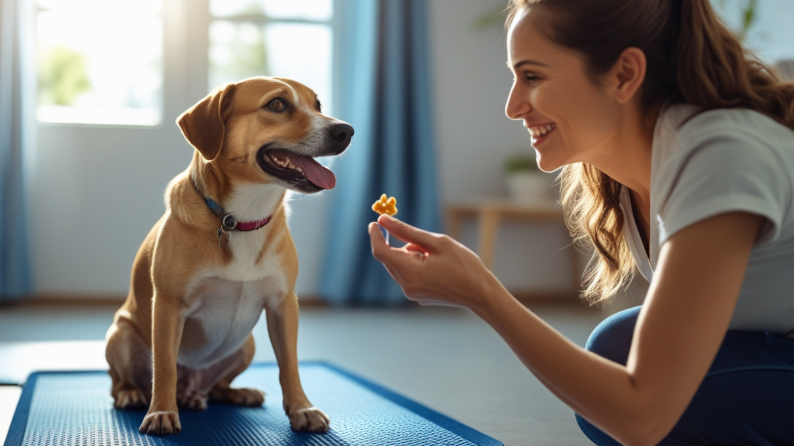
Reward-Based Dog Training: Teach Your Dog with Positive Reinforcement
Training a dog can be a fun and effective experience when rewards are the core method. Reward-based training, also known as positive reinforcement, encourages desirable behavior by offering treats, praise, or play rather than punishment. This approach builds trust, improves learning, and strengthens the bond between dog and owner.
2. Why Rewards Work Better Than Punishment
Dogs naturally respond to positive experiences. Using rewards in training:
- Strengthens the human-animal bond
- Reduces fear and anxiety
- Encourages consistent behavior over time
- Makes learning fun and motivating
Punishing mistakes may stop behavior temporarily but can create stress, aggression, or avoidance. Rewards foster long-term obedience and confidence.
3. Table: Reward Methods and Their Uses
| Reward Type | How to Use | Best For |
|---|---|---|
| Treats | Give immediately after desired behavior | Basic commands, puppy training |
| Praise | Verbal “Good boy/girl!” or petting | Reinforcement, bonding |
| Play | Tug, fetch, or favorite toy | Energy release, active behaviors |
| Clicker | Pair click sound with reward | Precise behavior marking |
| Access to preferred activity | Let dog go outside or explore | Self-control, delayed gratification |
4. Steps to Reward-Based Training
- Identify the Target Behavior: Be clear about what you want your dog to do. Keep commands simple and consistent.
- Choose an Effective Reward: Small treats or favorite toys increase motivation.
- Timing Is Key: Reward immediately after the behavior to avoid confusion.
- Repeat and Reinforce: Practice in short sessions (5–10 minutes) and gradually reduce treats while keeping praise.
- Generalize: Train in different environments so the behavior is reliable everywhere.
5. Using Clicker Training for Precision
- Click signals the exact moment a behavior is correct
- Immediately follow with a treat
- Helps dogs learn complex behaviors quickly
- Encourages active thinking and engagement
Clicker training is ideal for tricks, obedience, and agility exercises.
6. Rewarding Good Behavior in Everyday Life
Positive reinforcement applies beyond formal commands:
- Sitting calmly before meals
- Waiting patiently for walks
- Not jumping on guests
- Coming when called
Rewarding everyday good behavior strengthens learning and creates a well-mannered dog.
7. Common Mistakes to Avoid
- Inconsistent rewards—confuses the dog
- Rewarding wrong behavior—ensure the reward follows correct action
- Overfeeding treats—use small, low-calorie snacks
- Expecting instant results—patience is key
8. Benefits Beyond Obedience
- Reduces stress and anxiety
- Improves social behavior
- Increases owner-pet bonding
- Encourages problem-solving and intelligence
Reward-based training enhances your dog’s overall quality of life, not just obedience.
9. Conclusion: Train with Patience and Positivity
Using rewards to train dogs is one of the most effective, humane, and enjoyable methods. Immediate treats, consistent praise, and structured practice help dogs learn faster and strengthen the bond with their owner. Reward-based training transforms challenging tasks into fun learning experiences for both dogs and humans.