Dog Car Anxiety: How to Calm Your Pet During Travel
Many dogs enjoy car rides, but for some, traveling triggers anxiety, trembling, whining, drooling, or refusal to enter the vehicle. This common issue, often called dog car anxiety, can make trips stressful and unsafe. Understanding the causes and using effective strategies can help your dog feel calm, confident, and ready for the road.
2. Common Causes of Dog Car Anxiety
Car anxiety may arise from several factors:
- Motion sickness: Sensitivity to movement or inner ear issues
- Past negative experiences: Accidents, loud noises, or rough rides
- Separation anxiety: Fear of leaving home or familiar surroundings
- Overstimulation: New sights, smells, and sounds inside the car
- Lack of exposure: Dogs not gradually introduced to car travel
Identifying the root cause is essential for effective solutions.
3. Table: Symptoms of Dog Car Anxiety
| Symptom | Possible Cause | Observation Tip |
|---|---|---|
| Panting & drooling | Motion sickness | Occurs mainly during movement |
| Whining or barking | Stress & fear | Escalates when in the car |
| Trembling | Anxiety | Often paired with pacing |
| Refusal to enter | Negative past experiences | Hesitation at car door |
| Destructive behavior | Overstimulation | Scratching or biting seats |
4. Preparing Your Dog for Car Rides
Gradual preparation helps reduce anxiety:
- Start small: Sit in a stationary car with treats and praise
- Short trips first: Drive around the block for a few minutes
- Positive reinforcement: Reward calm behavior consistently
- Comfort items: Bring favorite toys or blankets
- Avoid forcing: Never drag a fearful dog into the car
Patience and consistency are key to building confidence.
5. Strategies to Calm Dogs During Rides
- Crate training: Provides a safe, enclosed space
- Exercise beforehand: Reduces excess energy
- Gentle music or white noise: Masks external sounds
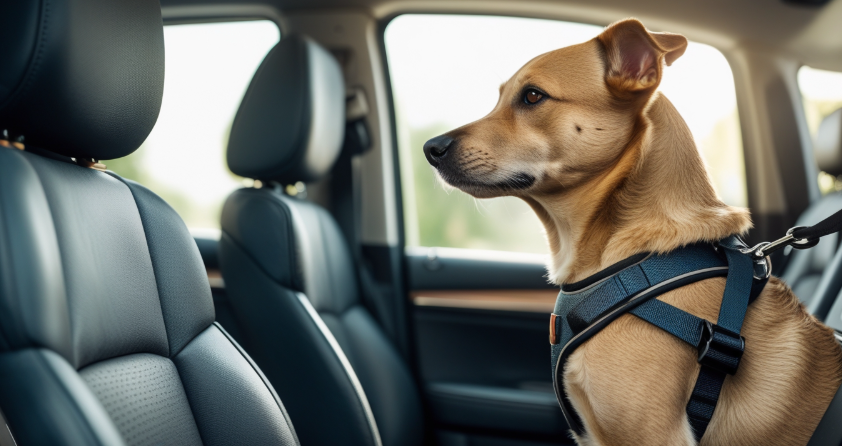
- Secure seat belts or harnesses: Prevents injury and offers reassurance
- Natural calming aids: Pheromone sprays or anxiety wraps
Experiment to find what combination works best for your dog.
6. Addressing Motion Sickness
- Feed lightly before travel to avoid nausea
- Take breaks on long trips to let your dog stretch
- Consult a veterinarian for motion sickness medication if needed
- Keep the car ventilated with fresh air
- Use vet-approved anti-nausea treats or supplements
Recognizing motion sickness ensures your dog’s comfort and safety.
7. Long-Term Training Techniques
- Pair rides with enjoyable destinations like parks
- Gradually increase ride duration
- Use calm, encouraging tones during travel
- Desensitize to engine sounds and movement
- Avoid punishment, which can reinforce anxiety
With consistent effort, most dogs learn to enjoy or tolerate car travel.
8. When to Seek Professional Help
If your dog’s anxiety is severe:
- Certified trainers or behaviorists can create personalized plans
- Veterinarians may recommend short-term anti-anxiety medications
- Behavior modification techniques can transform fearful dogs
Professional guidance ensures safety, comfort, and mental well-being.
9. Conclusion: Making Travel Calm and Safe
Dog car anxiety is common but treatable. Patience, preparation, and positive reinforcement can turn stressful rides into enjoyable trips. Understanding triggers, starting gradually, and using calming strategies helps dogs become confident travelers, making every journey safer and more rewarding for both pet and owner.