Why Dogs Roll in Dirt – Canine Behavior Explained
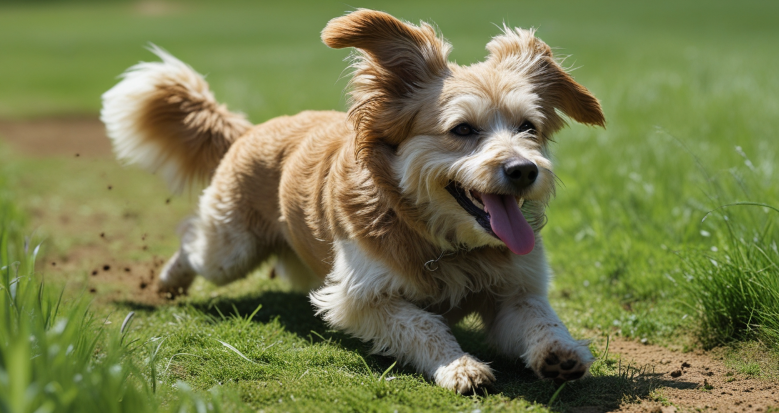
If you’ve ever watched your dog enthusiastically roll in mud, dirt, or grass, you might have wondered: “Why do they do that?” While it can be messy for owners, this behavior is completely natural and rooted in canine instincts that date back thousands of years.
2. Rolling in Dirt Is Part of Canine Instincts
Dogs inherit many behaviors from their wolf ancestors.
- Scent masking: Wolves roll in strong smells to hide their own scent while hunting.
- Communication: Rolling in scents can signal territory or information to other dogs.
- Camouflage: Helps predators blend in or attract mates.
- Exploration: Dogs use smell and taste to understand their environment.
Even domestic dogs retain these instincts, even though hunting is no longer necessary.
3. Dogs Enjoy the Sensation
Beyond instincts, many dogs simply enjoy the feel of dirt, grass, or mud.
- Dirt can feel cool and refreshing
- Grass or soil provides new textures and smells
- Rolling can relieve itching or irritation
- Provides mental stimulation through scent and touch
For many dogs, it’s like a mini-spa or playful adventure.
4. Common Reasons Dogs Roll in Dirt
| Reason | What It Means | Owner Tips |
|---|---|---|
| Scent masking | Instinctual behavior inherited from wolves | Allow occasionally; bathe if smell is strong |
| Exploration | Learning about environment through smell & touch | Supervise outdoor play in safe areas |
| Play & Fun | Simply enjoyable & stimulating | Provide toys and outdoor playtime |
| Itch Relief | Eases skin irritation or dryness | Check skin for allergies; use dog-safe lotions |
| Attention-seeking | Attracts owner’s reaction | Reward calm, safe behavior |
5. When Rolling Becomes a Problem
While normal, dirt-rolling can sometimes create challenges:
- Strong odors on fur
- Stains or dirt on furniture and clothes
- Exposure to parasites or harmful bacteria
- Allergic reactions in sensitive dogs
Safe management tips:
- Designate an outdoor area for rolling
- Bathe dog after strong smells or muddy play
- Keep flea and tick prevention updated
- Trim fur in areas prone to dirt accumulation
6. Encouraging Positive Outdoor Play
Rolling in dirt can be redirected into healthy activities:
- Play fetch in grassy areas
- Offer sand or dirt boxes for safe digging and rolling
- Use interactive toys during outdoor play
- Reward calm behavior after rolling
7. Conclusion: Embrace the Canine Quirk
Rolling in dirt may seem messy, but it’s a window into a dog’s natural instincts and joy. Whether it’s for scent, exploration, fun, or itch relief, this behavior is rooted in thousands of years of evolution. By understanding why dogs roll in dirt, owners can provide safe outlets, enjoy their pet’s quirks, and strengthen the bond with their furry companions.