
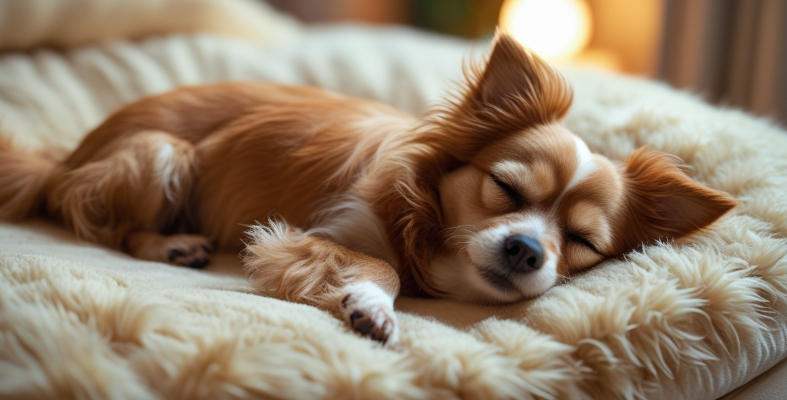
Why Dogs Move in Their Sleep: Understanding Canine Dreams

1. Introduction
If you’ve ever watched a dog twitching, moving paws, or softly barking in sleep, you’ve witnessed a glimpse into their dreaming world. Dogs, like humans, experience complex sleep patterns including periods of rapid eye movement (REM), during which dreams are most vivid. These movements give insight into canine brain activity, behavior, and emotions.
2. How Dogs Sleep: Stages of Canine Sleep
Dogs go through different stages of sleep, similar to humans, and dreaming usually occurs during the REM stage.
- Light sleep (NREM): Muscles relax, slow brain activity
- Deep sleep: Harder to wake, body restores energy
- REM sleep: Brain highly active, vivid dreams occur, often causing twitching or paw movements
During REM, dogs’ eyes may move beneath closed eyelids, their paws twitch, and sometimes small barks or whimpers occur.
3. Why Dogs Move in Their Sleep
Those cute movements are linked to their dreams and neural activity.
- Paw twitches: Dreaming about running or playing
- Leg paddling: Chasing imaginary prey or interacting with other dogs
- Ear or tail flicks: Response to dream stimuli
- Whimpering or barking: Vocalization reflecting emotions in the dream
4. Table: Common Dog Sleep Movements and Their Meanings
| Movement | Possible Meaning |
|---|---|
| Paw twitching | Dreaming of running or playing |
| Leg paddling | Chasing prey or playful activity |
| Ear flicking | Reacting to sounds or stimuli in the dream |
| Tail wagging | Excitement or happiness in dream |
| Soft barking/whimpering | Communicating, expressing emotions |
5. Do All Dogs Dream?
Yes, all dogs experience REM sleep, but dream intensity may vary by age, breed, and activity level.
- Puppies: More active dreams, reflecting rapid learning and new experiences
- Adult dogs: Dreams often linked to daily activities like walks or playtime
- Senior dogs: May dream less frequently or move less during sleep
6. How Owners Can Support Healthy Dog Sleep
- Provide a comfortable, quiet sleeping space
- Ensure regular exercise during the day
- Maintain a consistent sleep schedule
- Avoid disturbing the dog during REM to allow natural dreaming
- Monitor sleep patterns for signs of stress or discomfort
7. Fun Facts About Dog Dreams
- Dogs often dream about activities they do regularly, like fetching balls or running
- Small breeds may twitch more frequently due to higher metabolism
- Larger breeds may have slower, deeper REM movements
- Scientists have used brain scans to study dreaming in dogs, showing similarities with humans
- Dreaming is a natural and important part of cognitive and emotional processing
8. Conclusion: A Window Into the Canine Mind
Watching a dog dream is a reminder of the complexity and richness of their inner world. Those tiny twitches, paddling legs, and soft barks are more than cute—they are evidence of a dog’s brain processing memories, emotions, and experiences. By understanding dog dreams and sleep movements, owners gain a deeper appreciation for their pets’ intelligence, emotions, and daily adventures.


