
The Great Horned Owl: Master of the Night Sky
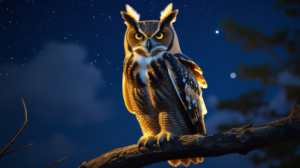
The Great Horned Owl is one of North America’s most powerful and iconic birds of prey. Recognized by its deep hooting call, golden eyes, and distinct feathered “horns,” this owl rules the night with unmatched stealth and precision. Its silence, strength, and hunting skill make it one of the world’s most effective nocturnal predators.
1. Appearance: The Owl With Feathered Horns
Despite their name, the owl’s “horns” are not horns at all—they’re feather tufts used for camouflage and communication.
Key Traits
- Large body with a wingspan of 4 to 5 feet
- Bright yellow eyes for exceptional low-light vision
- Mottled feathers that blend perfectly with forest environments
- Powerful talons with a grip stronger than similar-sized eagles
This combination of features makes the owl both majestic and intimidating.
2. The Secret of Silent Flight
The Great Horned Owl is renowned for its ability to fly almost completely silently, giving prey no chance to react.
How It Achieves Silence
- Soft, comb-like feather edges that reduce air turbulence
- Velvety down feathers that absorb sound
- Wing structure designed for slow, gliding flight
These adaptations allow the owl to approach even the most alert animals without being heard.
3. Silent Flight vs Other Birds
| Bird Species | Noise Level | Silent Traits |
|---|---|---|
| Great Horned Owl | Nearly silent | Specialized feathers, slow glide |
| Hawk | Loud wing flaps | Designed for speed, not silence |
| Goose | Very loud | Heavy, powerful wing beats |
| Pigeon | Noticeable flapping | Fast but noisy flight |
| Crow | Audible wing sound | No sound-reducing features |
This comparison highlights why the owl is considered the ultimate silent hunter.
4. Hunting Skills: Power and Precision
Great Horned Owls are versatile predators capable of taking a wide variety of prey—from tiny rodents to surprisingly large animals.
Hunting Advantages
- Exceptional night vision for low-light hunting
- Asymmetrical ears for pinpointing sound direction
- Can detect prey under leaves, grass, or snow
- A crushing grip powerful enough to kill instantly
They often perch silently and observe before swooping down with explosive speed and accuracy.
5. What They Eat: A Versatile Diet
The Great Horned Owl is an adaptable eater with one of the widest diets of any raptor.
Common Prey
- Mice, rats, rabbits, and other rodents
- Skunks (one of the few birds willing to hunt them)
- Snakes, frogs, and insects
- Small birds, including occasional other raptors
This flexible diet allows them to thrive in forests, deserts, grasslands, and even cities.
6. Nighttime Communication
Their deep, resonating “HOO-HOO” call is one of the most recognizable sounds of the night.
Why They Call
- To defend and mark territory
- To attract a mate
- To communicate with a partner or chicks
Though their flight is silent, their voices are strong and meaningful—especially during breeding season.
7. The Owl’s Role in Nature
Great Horned Owls are essential to maintaining healthy ecosystems.
Benefits They Provide
- Control rodent populations
- Balance small animal numbers in forests and grasslands
- Help keep farmlands and natural habitats healthier
Their presence signals a stable, thriving environment.
8. Conclusion: Master of the Night
The Great Horned Owl stands as one of the most impressive and adaptable birds of prey on the planet. With its silent wings, powerful talons, piercing golden eyes, and expert hunting abilities, it truly reigns over the night sky.
This incredible owl continues to captivate bird watchers and wildlife enthusiasts, symbolizing the mystery, beauty, and strength of the natural world.