
Why Dogs Shake: Understanding Canine Behavior
Dogs often shake their bodies, and while it may look amusing, there is usually a reason behind this instinctive behavior. From drying off after a bath to relieving stress, a dog’s shake communicates more than meets the eye. Understanding why dogs shake can strengthen your bond and help spot potential health issues early.
2. Common Reasons Dogs Shake Their Body
A. Shaking Off Water
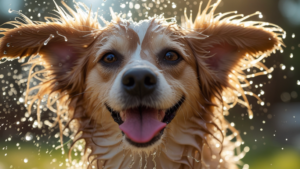
One of the most obvious reasons is to remove water after swimming or bathing. Dogs have a highly effective shaking technique that expels up to 70% of water from their fur in seconds.
B. Releasing Stress or Anxiety
Dogs often shake after stressful events, such as:
- Visits to the vet
- Loud noises like thunder or fireworks
- Separation anxiety
This shake helps release tension and restore calm.
C. Physical Discomfort
Shaking can indicate:
- Itchy skin or irritation
- Muscle soreness
- Pain from injury
Noticing when and how your dog shakes can alert you to health issues.
3. Play and Excitement Shaking
Dogs also shake as a form of communication during play:
- Signals release of pent-up energy
- Often paired with tail wagging and playful bounces
- Indicates happiness or anticipation
4. Shaking After Stressful Events
Shaking helps dogs “reset” emotionally:
- Roll or shake after stressful encounters
- Helps physiologically remove stress hormones
- Often followed by grooming or stretching
5. Medical Reasons to Watch
Some shakes indicate health problems. Seek veterinary attention if:
- Shaking is constant or severe
- Accompanied by tremors or weakness
- There is pain, vomiting, or lethargy
Common medical causes include cold, fever, poisoning, neurological issues, or muscle/joint pain.
6. How Dogs Shake: Nature’s Efficient Technique
- High-frequency oscillations: 4–6 times per second
- Skin and fur coordination: removes water, dirt, or debris
- Energy-efficient yet highly effective
7. Shake Types Explained
| Shake Type | Meaning |
|---|---|
| Water Shake | Removing moisture after swimming or bath |
| Stress Shake | Releasing tension after a stressful event |
| Play Shake | Sign of excitement or fun |
| Pain Shake | Possible injury or illness; requires attention |
| Habitual/Older Dogs | Appears in older dogs with mild tremors |
8. How to Respond as an Owner
- Don’t overreact to normal shakes
- Praise or comfort if stress-related
- Check for injury or illness if unusual
- Provide warm bedding if shaking from cold
- Maintain regular vet visits
9. Conclusion: Shaking as a Window Into a Dog’s Mind
Dogs’ shakes are versatile tools: drying, stress relief, communication, and fun. By observing when and why your dog shakes, you can better understand their emotional and physical state. From playful wiggles after fetch to stress shakes after loud noises, these small motions reveal a dog’s needs, feelings, and well-being—making shaking one of the most fascinating canine behaviors to observe.