The Scottish Fold Cat: Unique Ears, History, and Care Tips
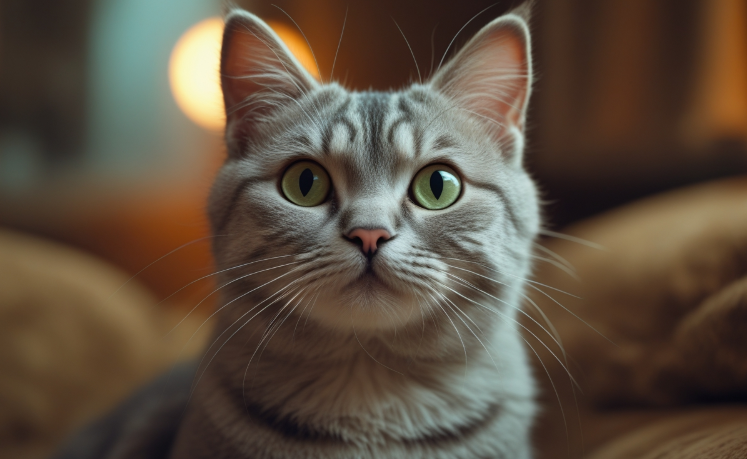
The Scottish Fold is instantly recognizable because of its cute, forward-folded ears. While many people think the ears form naturally, the real story is more complex and fascinating. Understanding this breed reveals why proper care is essential for a healthy, happy cat.
1. The Origin of the Fold: A Single Farm Cat Started It All
The entire Scottish Fold breed began with a single barn cat named Susie, discovered in Scotland in the 1960s. She had unusual ears that folded forward, resembling those of an owl.
Breeders realized this was a genetic trait and could be passed to kittens. Today, every Scottish Fold traces back to Susie’s unique ears.
2. What Exactly Causes the Fold?
The ear fold comes from a cartilage mutation, affecting ears and sometimes other joints.
- Ear cartilage becomes soft and flexible
- Ears droop forward instead of standing upright
- The fold deepens as kittens grow
- Variations: single, double, or triple fold
Single Fold vs Double Fold vs Triple Fold
- Single: slight bend, ears partially forward
- Double: more defined fold
- Triple: tight fold, ears lie flat on the head (common in show-quality Folds)
3. Why Do the Ears Stay So Quiet and Still?
Scottish Folds don’t rotate their ears frequently due to:
- Weaker cartilage reduces flexibility
- Reliance on eye movement to express emotion
- Ear muscles working differently due to the mutation
This gives them the signature calm, plush teddy bear look adored by cat lovers.
4. Behavior: Do Folded Ears Change How They Act?
The ears do not affect hearing or communication. Folds communicate like other cats:
- Body posture
- Tail movement
- Vocal tones and slow blinking
The folded ears make their expressions appear softer and friendlier.
5. The Big Debate: Are Folded Ears Healthy?
The cartilage mutation can affect joints. Responsible breeders follow two rules:
- Never breed Fold × Fold
- Always breed Fold × Straight
6. Fold vs Straight: Clear Differences
| Feature | Scottish Fold | Scottish Straight |
|---|---|---|
| Ear Shape | Droops forward | Stands upright |
| Cartilage Mutation | Present | Absent |
| Expression | Round, soft, owl-like | Standard cat expression |
| Breeding Use | Yes | Yes, essential |
| Personality | Similar in both types | Similar in both types |
7. Quirky Behaviors Linked to Their Ear Structure
- The “Buddha Sit”: sitting upright with belly exposed
- Soft, gentle voices and sweet meows
- Expressive head tilts
- Curiosity without aggression
8. Grooming & Ear Care: A Must for Fold Owners
Proper ear care ensures health and comfort:
- Clean inside gently once a week
- Keep ears dry after baths
- Check for wax buildup or redness
- Use vet-approved cleanser only
9. Should You Get a Scottish Fold?
Scottish Folds are ideal for owners who enjoy:
- Calm, affectionate cats
- Unique physical traits
- Indoor companionship
- Easygoing personalities
They are best suited for those who can provide gentle grooming and regular vet checkups.