Cat Whiskers: The Hidden Sensory Superpowers
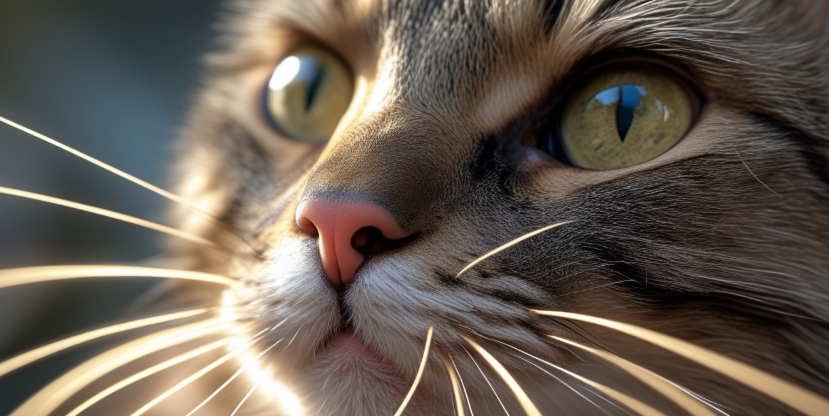
A cat’s whiskers may look simple, but they are one of nature’s most advanced sensory tools. These long, stiff hairs—called vibrissae—help cats judge distances, sense airflow, navigate in the dark, and read their environment at an instant. Understanding whiskers explains why cats move so gracefully and react so quickly.
2. What Makes Whiskers So Special?
Unlike normal fur, each whisker is deeply rooted and connected to a dense network of nerves and blood-filled follicles.
Key difference: Normal Fur = soft, flexible. Whiskers = thick, stiff, highly sensitive and wired to the nervous system.
3. How Whiskers Work: A Built‑In Warning System
Whiskers act like precision antennas. When they bend or move, sensory cells relay information to the brain so the cat understands nearby objects, airflow changes, and prey movements—often without touching anything.
4. Whisker Placement: Sensors All Over the Body
Cats have vibrissae in several locations, each serving a special role:
| Location | Purpose |
|---|---|
| Muzzle | Longest whiskers—measure space and judge width |
| Above eyes | Protect eyes from dust and detect sudden threats |
| Chin | Guide prey and sense objects below |
| Back legs (carpal whiskers) | Assist with hunting and precise jumping |
5. Navigation: Seeing Without Light
In near-darkness, whiskers detect tiny air currents and subtle vibrations. This lets cats map rooms, avoid obstacles, and move confidently—explaining why they rarely bump into things at night.
6. The Built‑in Width Calculator
One remarkable whisker function is judging whether a cat can fit through an opening. Whiskers are roughly as wide as the cat’s body, giving an accurate, hands-free measurement that prevents getting stuck.
7. Whiskers and Mood: A Window Into Emotions
Whisker position reveals a cat’s feelings. Use the table below to read whisker language:
| Whisker Position | Meaning | Emotional State |
|---|---|---|
| Forward | Probing, focused | Alert / hunting |
| Flat against face | Protective posture | Scared / defensive |
| Relaxed sideways | Neutral | Calm |
| Slightly down | Lowered activity | Tired / resting |
8. Why You Should Never Trim Whiskers
Cutting whiskers causes confusion, disorientation, and stress—like temporarily blindfolding a cat. Never trim or pluck whiskers; they grow back naturally and are essential for a cat’s wellbeing.
9. Whisker Fatigue: A Modern Problem
Whisker fatigue occurs when whiskers are constantly overstimulated, often by narrow dishes or crowded spaces. Signs include pawing food out of bowls, refusing deep dishes, or appearing anxious during mealtime.
- Use wide, shallow food and water plates
- Avoid forced close contact with edges and narrow gaps
- Provide calm, low-traffic feeding areas
10. Conclusion: Respect the Whiskers
Cat whiskers are sophisticated sensory tools that let felines measure space, detect threats, express mood, and navigate the world without sight. Respecting whiskers—by avoiding trims and using whisker-friendly bowls—helps cats stay confident, calm, and agile. These tiny hairs are a big part of what makes cats such graceful and capable animals.
Want this exported as a downloadable HTML file or styled to match your site? Tell me your preferred color scheme or font and I’ll update the template.