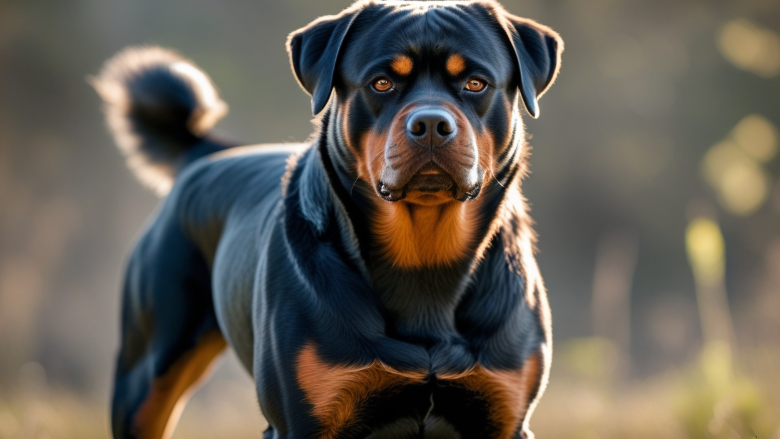

Bulldog Face Structure and Breathing: Tips for Healthy Dogs

Bulldogs are beloved for their wrinkled faces, short snouts, and stocky build. Their unique appearance, however, comes with some challenges, particularly in breathing. Understanding the bulldog face structure and its impact on respiration is key to ensuring a healthy, happy life for these charming dogs.
2. What Makes a Bulldog Face Unique
Bulldogs are classified as brachycephalic dogs, meaning they have a short, wide skull. This design gives them a distinctive pushed-in face, but also affects their airways.
| Feature | Description | Effect on Breathing |
|---|---|---|
| Short muzzle | Reduced nose length | Can restrict airflow |
| Narrow nostrils (stenotic nares) | Tiny openings | Difficulty inhaling efficiently |
| Elongated soft palate | Soft tissue at the back of the mouth | Can block airflow during breathing |
| Wrinkles around nose | Loose skin folds | May trap moisture or bacteria |
3. Common Breathing Challenges
Bulldogs often experience Brachycephalic Obstructive Airway Syndrome (BOAS), a condition caused by the skull and airway structure.
- Loud snoring or snorting
- Heavy panting even in cool weather
- Labored or noisy breathing
- Exercise intolerance
- Blue-tinged tongue or gums in severe cases
Owners should watch for these symptoms, especially during hot weather or physical activity.
4. Why Bulldogs Snore and Snort
Their unique face anatomy makes bulldogs prone to snoring. The combination of short airways, narrow nostrils, and excess soft tissue causes vibrations during airflow, producing snoring, wheezing, and snorting sounds.
While some noise is normal, excessive breathing difficulty may require veterinary attention.
5. Health Implications of the Face Structure
Respiratory issues can affect overall health if ignored. Bulldogs with severe airway obstruction may suffer from:
- Sleep disturbances and poor rest
- Lower stamina during walks or play
- Increased risk of heatstroke
- Chronic respiratory infections
6. Tips to Support Healthy Breathing
Bulldog owners can take steps to help their pets breathe easier:
- Maintain healthy weight: Excess fat increases airway strain
- Use harnesses, not collars: Reduces pressure on the throat
- Avoid extreme heat: Keep them cool and hydrated
- Monitor exercise: Short, gentle walks are ideal
- Regular vet check-ups: Early detection of airway problems is crucial
- Surgery if needed: Procedures like nostril widening or soft palate trimming can improve airflow in severe cases
7. Conclusion: Appreciating the Bulldog Build
Bulldogs’ charming faces are a result of selective breeding, giving them a look that’s instantly recognizable. However, their short muzzle and unique airway structure can create breathing challenges. By understanding the bulldog face structure, recognizing signs of difficulty, and implementing proper care, owners can help these adorable dogs enjoy a happy, active life while minimizing respiratory risks.
Their wrinkled smiles are lovable—but a healthy breath is even more important.