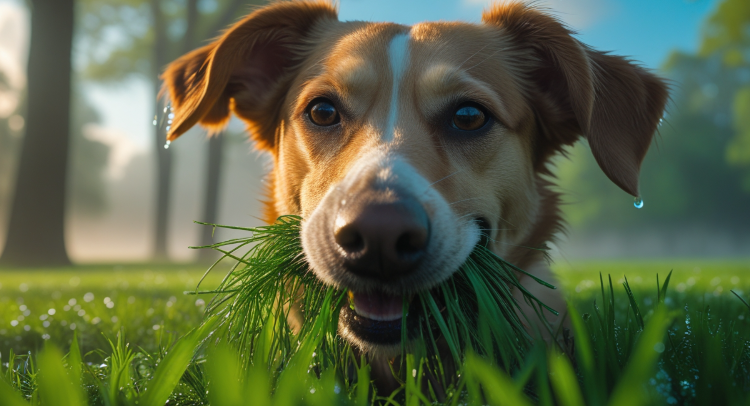

Why Dogs Eat Grass: Real Reasons Behind This Common Behavior
Many dog owners get surprised when they see their pet chewing grass, especially if the dog is healthy and well-fed. While it may look unusual, grass-eating is a completely normal behavior seen in dogs of all ages and breeds.
In most cases, it is not a sign of illness. Instead, it relates to natural instincts, digestion, emotional needs, and even taste preference. Here are the real reasons why dogs eat grass, explained simply and clearly.
1. Dogs Eat Grass to Improve Digestion
One of the most common explanations is digestive support. Grass contains natural fiber, which helps:
- Ease constipation
- Improve bowel movement
- Reduce stomach discomfort
When dogs feel bloated or uneasy, they may use grass as a natural push to help their stomach work better.
How Grass Helps Digestion
| Benefit | Explanation |
|---|---|
| Fiber boost | Supports smooth intestinal movement |
| Natural cleansing | Pushes food through the digestive system |
| Mild irritation | Encourages vomiting if stomach is irritated |
2. Eating Grass May Trigger Vomiting (But Not Always)
Some dogs eat grass quickly when their stomach feels uncomfortable. The rough texture can make them vomit, which helps remove:
- Gas buildup
- Rich or spicy food
- Other irritants
But not all dogs vomit after eating grass. Many chew grass peacefully with no signs of sickness. This proves that grass-eating is not always a medical problem.
3. Grass Eating Comes From Natural Instincts
Dogs descended from wolves, who often ate entire prey—including stomach contents full of plants. Grass, leaves, and roots provided essential fiber.
Your dog may still carry this instinct. Even with modern food, the body sometimes craves natural roughage like grass.
4. Dogs Eat Grass When Bored or Anxious
Grass eating can also be emotional behavior. Dogs may chew grass when they feel:
- Bored
- Anxious
- Lonely
- Under-stimulated
Signs the Cause Is Emotional
- Dog eats grass slowly, not aggressively
- No vomiting afterward
- Occurs during low-activity times
- Dog looks calm while chewing
Increasing playtime and engagement usually reduces this behavior.
5. Some Dogs Simply Like the Taste
Sometimes the explanation is simple — dogs enjoy grass!
Grass has a:
- Mild sweetness
- Crunchy texture
- Refreshing feel
This is harmless as long as the grass is clean and free from chemicals.
6. Grass May Help Remove Parasites (Old Instinct)
Wild animals sometimes eat rough plants to push out internal parasites. While this is not common in modern pets, the instinct may still exist deep in their behavior.
7. When Should You Worry?
Grass eating is usually harmless, but you should watch for warning signs such as:
- Frequent vomiting
- Diarrhea
- Lethargy
- Loss of appetite
- Weight loss
- Constant, urgent grass eating
These may indicate digestive problems, parasites, allergies, or infection. If symptoms continue, a veterinary check is recommended.
Conclusion
Dogs eat grass for many reasons: digestion, instinct, boredom, taste, or mild stomach discomfort. In most cases, the behavior is normal and not harmful. Just make sure your dog avoids chemically treated lawns and roadside grass.
Understanding this natural habit helps you care for your dog with confidence and reduces unnecessary worry.