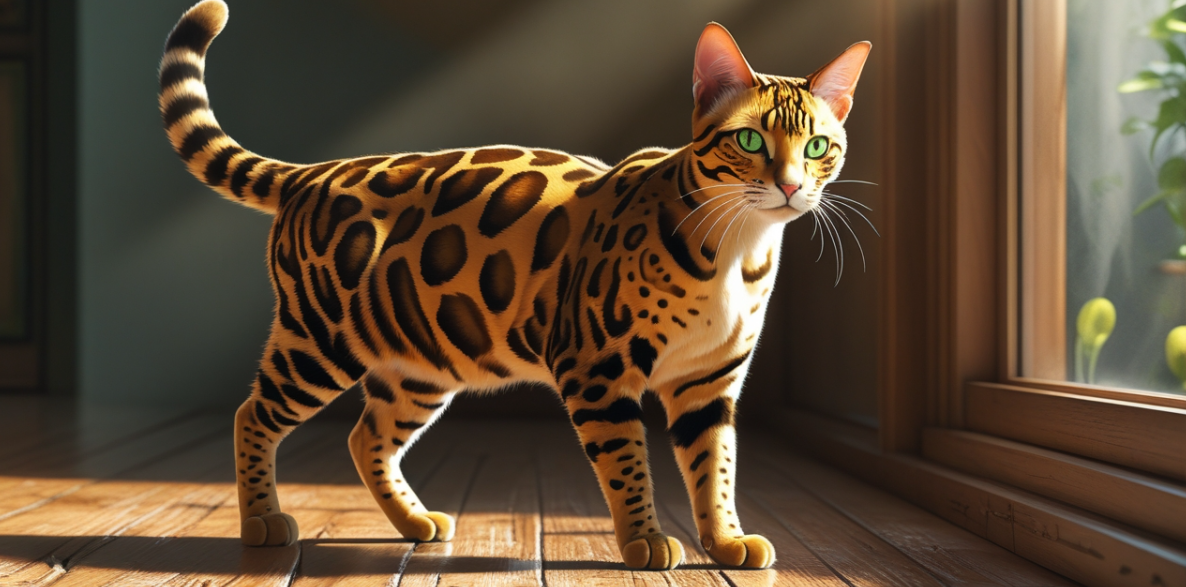

Cat Tail Language: What Your Cat’s Tail Is Trying to Tell You

Cats may not speak human languages, but they communicate constantly through body signals—especially their tail. A cat’s tail can reveal emotions like happiness, fear, anger, confidence, and curiosity. Understanding these tail movements will help you connect deeply with your feline companion.
Why a Cat’s Tail Is So Important
A cat’s tail helps with:
- Maintaining balance
- Making quick turns
- Showing emotions and mood
- Communicating with humans and other cats
- Revealing confidence, curiosity, or fear
By observing the tail, you can understand your cat before it even meows.
1. Tail Straight Up – Happy & Friendly
This tail position shows:
- Happiness
- Confidence
- Playfulness
- Friendly greeting
How to respond: Gently pet them or start playtime.
2. Tail Straight Up With Curved Tip – Curious & Friendly
The “question mark tail” means your cat is friendly but curious.
Your response: Offer toys or treats—great bonding moment.
3. Puffed Tail – Scared or Threatened
When a tail becomes big and bushy, the cat is frightened and trying to appear larger.
Your response: Do not touch. Give space and remove stress triggers.
4. Tail Low or Tucked – Anxiety or Submission
A low or tucked tail may indicate:
- Nervousness
- Fear
- Possible sickness
Your response: Approach gently and ensure a calm environment.
5. Tail Whipping or Fast Wagging – Annoyed or Angry
Fast, sharp tail movements signal irritation or building aggression.
Your response: Stop touching and give space.
6. Slow Wagging or Gentle Sway – Focused or Thinking
This tail movement shows concentration or curiosity.
Your response: Allow them to observe or explore.
7. Tail Wrapped Around You – Love & Trust
A tail wrapped around your leg is a feline “hug.”
Your response: Pet them gently—they feel safe with you.
8. Tail Quivering Upward – Excitement or Marking Behavior
Quick tail shaking means excitement, but in some unneutered cats it can mean marking territory.
Your response: Greet warmly; consider neutering if spraying occurs.
Cat Tail Signals Table
| Tail Movement | Emotion / Meaning | What You Should Do |
|---|---|---|
| Tail straight up | Happy, confident | Greet, pet |
| Curved question mark | Curious, friendly | Engage or play |
| Puffed tail | Fear, threat | Give space |
| Tail low | Anxiety, sickness | Comfort gently |
| Fast whipping | Anger, irritation | Stop touching |
| Slow sway | Focused, curious | Let them explore |
| Tail wrapped around you | Affection | Pet gently |
| Tail quivering | Excited or marking | Greet calmly |
Conclusion
Your cat’s tail is a powerful emotional signal. By understanding tail movements, you can strengthen your bond, avoid misunderstandings, and help your cat feel safe and happy. Paying attention to these signals transforms your relationship with your feline friend.