
The Kiwi Bird: A Small Creature With Extraordinary Abilities
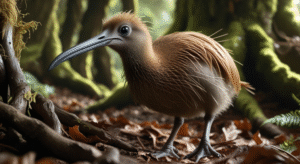
The kiwi bird, native only to New Zealand, is one of the world’s most unusual animals. Though small, shy, and unable to fly, it possesses a collection of exceptional traits that make it a true marvel of evolution. From an advanced sense of smell to whisker-like feathers, the kiwi stands out as a symbol of uniqueness, resilience, and natural wonder.
A Bird That Breaks All the Rules
While most birds rely on wings, colorful feathers, and flight, the kiwi is different in almost every way. Instead of sleek flight feathers, it has soft, hair-like plumage. Its wings are so tiny they are almost invisible, yet the bird thrives on the ground as a fast runner and skilled digger, perfectly suited to forest life.
Super Senses That Make the Kiwi Extraordinary
1. A Remarkably Powerful Sense of Smell
Kiwis are among the few birds with a highly advanced sense of smell. Unlike other birds, their nostrils are located at the tip of their long beak, allowing them to detect insects and worms hidden deep beneath the soil. With gentle taps on the ground and an incredible scent-detecting ability, they locate prey with impressive precision.
2. Sensitive Whisker-Like Feathers
Around the kiwi’s beak are long, flexible feathers that act like a cat’s whiskers. These sensory feathers allow the kiwi to navigate its dark forest habitat, especially since it is mostly nocturnal. With just a touch, it can sense obstacles and movements around it.
3. Sharp Hearing That Makes Up for Weak Eyesight
Hidden beneath its feathers are surprisingly large ear openings. This gives the kiwi excellent hearing, enabling it to detect faint movements like rustling leaves or tiny insects—compensating for its naturally poor vision.
Why Kiwis No Longer Fly
Millions of years ago, New Zealand had almost no land predators. Because flying was unnecessary for survival, kiwi ancestors gradually evolved into ground-dwelling birds. Over time, their wings became smaller, while other features grew stronger:
| Kiwi Adaptation | Purpose |
|---|---|
| Strong, muscular legs | Running fast and digging burrows |
| Sharp claws | Scratching soil and finding food |
| Long beak with sensory tip | Detecting prey underground |
| Compact, sturdy body | Moving quietly through dense forests |
The Bird With the Largest Egg for Its Size
One of the kiwi’s most surprising features is its enormous egg. A single kiwi egg can be up to 20% of the mother’s body weight—one of the largest ratios in the animal kingdom. To compare, it would be like a human giving birth to a child the size of a 4–5-year-old.
Because the egg is so large, kiwi chicks hatch almost fully developed and ready to explore.
Behavior: Quiet, Determined, and Independent
Kiwis are mostly solitary and spend their time:
- Digging deep burrows
- Searching for worms, berries, and insects
- Marking territory with scent
- Protecting their nests
They communicate with soft grunts, tapping sounds, and quiet calls—helping them remain hidden from predators.
Threats and Conservation Efforts
Despite their resilience, kiwis face danger from introduced predators such as dogs, cats, and stoats. New Zealand conservation groups now protect kiwi habitats, raise chicks in safe facilities, and reintroduce them into predator-free areas. These efforts have helped stabilize and even increase some kiwi populations.
Conclusion
The kiwi bird proves that you don’t need wings to be extraordinary. Its remarkable senses, unusual anatomy, and strong survival instincts make it one of the most fascinating creatures on Earth. Quiet, determined, and beautifully unique, the kiwi stands as a powerful symbol of nature’s creativity and resilience.