Why Lovebirds Form Lifelong Bonds
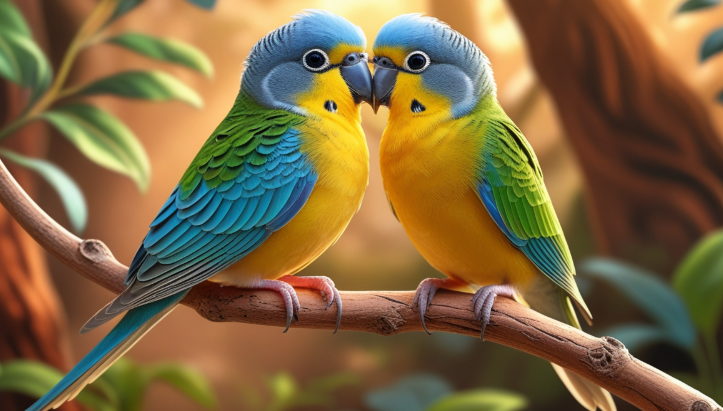
Lovebirds are admired worldwide for their bright feathers, gentle nature, and most famously, their loyal partnership. Their name comes from their remarkable habit of choosing a single partner for life—a symbol of trust and companionship in the animal world.
A Bond That Begins Early
Unlike many birds that change mates each breeding season, lovebirds stay faithfully connected. Their partnership becomes so strong that they rarely separate for long periods.
Why Lovebirds Stay With One Partner
Lovebirds are naturally social and rely on strong partnerships for survival and raising chicks. Staying with one mate gives them several important benefits:
1. Safety & Confidence
A bonded pair works as a team. When one rests, the other keeps watch. This shared responsibility helps them stay protected from threats.
2. Successful Breeding
Parenting requires teamwork—one bird incubates the eggs while the other finds food. A stable pair raises healthier chicks.
3. Emotional Comfort
Lovebirds show affection through gentle preening, which reduces stress and strengthens their bond.
4. Clear Communication
Partners learn each other’s sounds and habits, allowing them to communicate quickly during danger or nesting.
How Lovebirds Show Affection
- Sitting close together
- Touching beaks like a kiss
- Feeding each other
- Soft calling sounds
- Preening each other’s feathers
These behaviors happen daily and are beautiful signs of a strong emotional connection.
Do Lovebirds Get Lonely?
Yes, they do. A single lovebird can become stressed, quiet, or inactive. Some even pluck their feathers when left alone too long. This is why most owners keep them in bonded pairs.
If you keep a single lovebird, daily interaction and toys are necessary to replace the companionship they naturally expect.
Can Lovebirds Bond With Humans?
Absolutely. A hand-raised lovebird can build a deep bond with its human caretaker. They often enjoy:
- Sitting on shoulders
- Playing with hands or fingers
- Learning tricks
- Responding to their name
However, once bonded with a human, they need consistent attention to stay emotionally healthy.
Caring for Bonded Lovebirds at Home
1. Spacious Cage
The cage should be large enough for both birds to fly short distances. Horizontal bars help them climb and stay active.
2. Enrichment & Toys
Provide:
- Chew toys
- Rope swings
- Wooden perches
- Safe natural branches
3. Healthy Diet
| Food Type | Examples |
|---|---|
| Seeds & Pellets | Mixed seeds, quality pellets |
| Vegetables | Spinach, carrots, leafy greens |
| Fruits (Occasional) | Apples, berries, mango |
4. Nesting Area
A quiet corner with a nest box offers privacy, especially for bonded breeding pairs.
Conclusion
Lovebirds may be small, but their loyalty and affection make them truly extraordinary. Their lifelong bonds show a rare form of companionship in the animal kingdom. Whether in nature or at home, a pair of lovebirds thrives through togetherness, compassion, and trust.
Providing proper care and a loving environment ensures they live happy, healthy, and emotionally fulfilled lives—just as nature intended.