Clownfish & Sea Anemone: A Perfect Symbiosis Explained

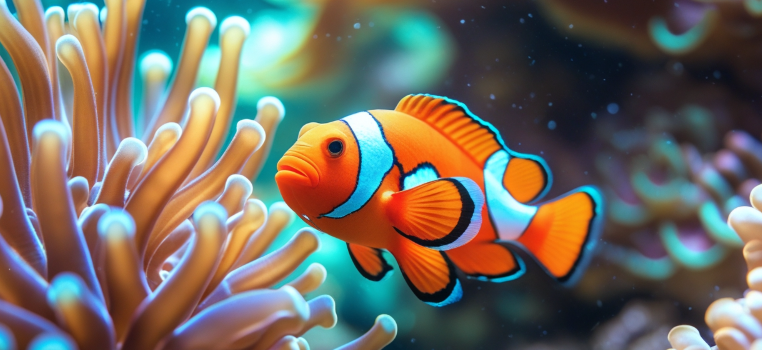
The relationship between the clownfish and the sea anemone is one of nature’s most beautiful partnerships. They live together, protect each other, and rely on one another for survival—an excellent example of symbiosis in the marine world.
A Home With Stinging Tentacles
Sea anemones look like colorful flowers anchored to rocks or coral, but they are predators equipped with tentacles full of tiny stinging cells called nematocysts. These cells can paralyze small fish instantly. Yet the clownfish swims safely among those tentacles because it develops a special mucus coating that prevents the anemone from recognizing it as prey. Once accepted, the anemone becomes a safe, private home for the clownfish.
Why the Anemone Needs the Clownfish
While the clownfish gets shelter, the anemone gains important advantages in return:
- Protection from predators: Clownfish chase away larger fish that might damage the anemone’s tentacles.
- Improved water flow: The fish’s movement increases circulation, bringing more oxygen and nutrients to the anemone.
- Extra food: Leftover scraps and attracted prey provide additional meals for the anemone.
Benefits for the Clownfish
Clownfish also gain critical advantages by living inside the anemone:
- Safe shelter: Predators avoid the stinging tentacles, so the fish use them as a refuge.
- Cleaner home: The clownfish removes debris and dead tentacles, helping keep the anemone healthy.
- Safe nesting site: Clownfish lay eggs near the anemone base, where the tentacles protect the nest.
The Trust-Building Ritual
When a clownfish enters an anemone for the first time, it performs a careful ritual: it gently touches the tentacles with different parts of its body until the anemone accepts it. This process transfers the fish’s protective mucus and creates mutual tolerance. Once accepted, clownfish typically remain loyal to their anemone for life.
Different Species, Same Bond
There are roughly 30 species of clownfish and more than 10 anemone species that can host them. Common pairings include:
| Clownfish Species | Matching Anemone | Notes |
|---|---|---|
| Ocellaris Clownfish | Carpet Anemone | Popular and seen in media |
| Tomato Clownfish | Bubble Tip Anemone | Bright red body; bold |
| Clarkii Clownfish | Various anemone types | Highly adaptable |
Life Inside the Anemone
Clownfish communicate with clicking and popping sounds to warn or call mates. Their social system is unique: groups are dominated by a single female, and if she dies, the dominant male will change sex and take her place—an adaptation that keeps the colony stable.
Why This Bond Matters
The clownfish–anemone partnership demonstrates how cooperation improves survival: anemones gain protection and better feeding opportunities, while clownfish receive security and a safe place to reproduce. Together they form a small but resilient ecosystem that supports life on coral reefs.