
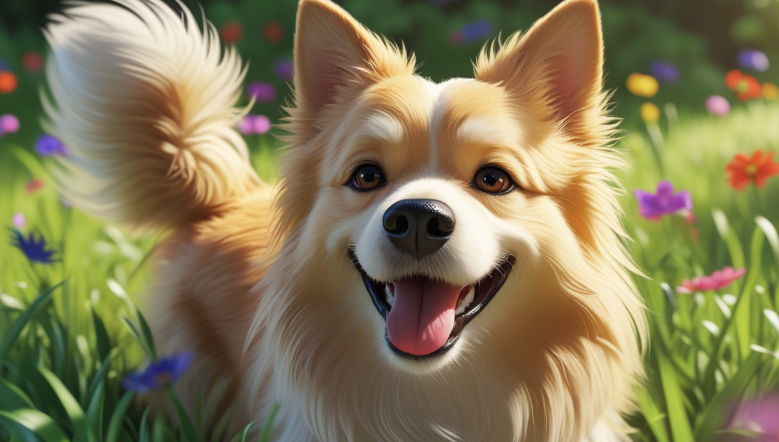
Understanding the Meaning Behind a Dog’s Tail Wagging
A dog’s wagging tail is more than just a sign of happiness. It is a complete communication system showing emotion, intention, confidence, and sometimes stress. Learning the science behind tail movements helps owners bond better and avoid misreading important signals.
Why Tail Wagging Exists
Dogs communicate more through body language than sound. Long before domestication, wolves signaled emotions through their tails, and modern dogs have evolved even more expressive tail movements.
- Express emotions
- Communicate with humans
- Warn or welcome other animals
- Show confidence or fear
Each direction and speed of the wag carries a unique message.
Right vs. Left Wagging
Research shows surprising emotional patterns:
- Right-leaning wag: Positive emotions—comfort, excitement.
- Left-leaning wag: Caution or uncertainty.
This is due to how the brain processes emotions, with each side controlling opposite parts of the body.
Tail Height and Meaning
- High Tail – Confidence and alertness.
- Low Tail – Nervousness or submission.
- Mid-Level Tail – Calm and relaxed.
- Tucked Tail – Fear or deep stress.
Speed of Wagging
- Fast wag – High excitement.
- Slow wag – Caution, especially with a raised tail.
- Full-body wag – Pure joy.
A stiff tail with sharp wags can indicate warning or tension.
When Wagging Doesn’t Mean Happiness
Dogs may wag their tails when they are:
- Nervous
- Alert
- Guarding territory
- Conflicted between fear and curiosity
Always observe the whole body—ears, eyes, and posture—to accurately interpret their mood.
Puppy Tail Wagging
Puppies start wagging at around 3–4 weeks. At first, it is simple excitement, but as they grow, wagging becomes part of social communication.
Different Breeds, Different Wag Styles
- Short-tailed breeds – Express emotions through small, quick movements.
- Curly-tailed breeds – The tail base gives clearer clues.
- Long-tailed breeds – Wide variety of expressive movements.
Tail Wagging Interpretation Table
| Tail Signal | Meaning |
|---|---|
| Fast wag, whole body moving | Pure joy and excitement |
| Slow, high wag | Cautious alertness |
| Low wag | Nervous or unsure |
| Right-leaning wag | Positive feelings |
| Left-leaning wag | Stress or uncertainty |
| Tucked tail | Fear or anxiety |
Conclusion
Tail wagging is a beautifully complex language that expresses joy, fear, confidence, curiosity, and more. When dog owners learn to read these signals along with overall body posture, they build stronger communication and deeper trust with their pets. Understanding tail language creates safer, happier interactions and strengthens the bond between humans and dogs.