
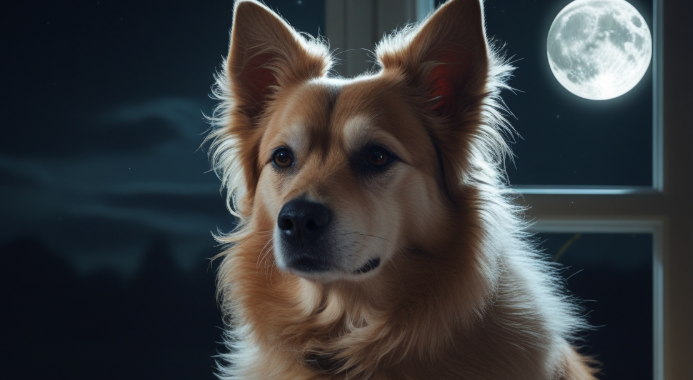
Why Dogs Bark at Night: Understanding the Causes & Solutions

A peaceful night can quickly become noisy when a dog suddenly starts barking. Even though it may seem like random noise, nighttime barking usually has clear and natural reasons. Dogs rely on barking to communicate, and the quiet atmosphere of night makes their senses more active. By understanding what triggers this behavior, dog owners can comfort their pets and maintain a calm home.
1. Heightened Senses After Dark
Dogs naturally have sharper hearing and a stronger sense of smell compared to humans. During the night, when everything becomes quiet, even the smallest noise or scent can grab their attention.
- Distant vehicles
- Rustling leaves or bushes
- Other animals moving nearby
Because the darkness increases their alertness, dogs may bark to warn their family about things they detect—even if they are harmless.
2. Territorial Protection
Protecting their home is a strong instinct in many dogs. Nighttime feels more uncertain to them, making them more alert to possible intruders.
Common nighttime triggers include:
- Stray dogs or cats passing by
- People walking near the house
- Street noises
- Unfamiliar smells
To a dog, barking simply means: “Stay away from my territory.”
3. Loneliness or Separation Anxiety
Dogs who sleep alone, outside, or in another room may bark because they feel lonely or anxious. Being separated from their family at night can make them seek attention.
Signs of nighttime loneliness:
- Whining before barking
- Scratching the door
- Walking restlessly
- Barking stops when someone arrives
Because dogs are social animals, quiet nights can make them crave companionship even more.
4. Extra Energy or Lack of Exercise
A dog that didn’t get enough physical or mental activity during the day may become restless at night. When the environment is silent, boredom or unused energy can lead to barking.
A tired dog is usually a quiet dog.
5. Influence of Other Dogs
Dogs often react to other dogs barking in the neighborhood. One bark can trigger a chain reaction, especially during the night when sound travels farther.
Even if they don’t understand the reason, dogs feel the need to respond.
6. Fear or Confusion
Both young and older dogs may bark due to fear or confusion in the dark. Age-related issues such as reduced hearing or vision can increase nighttime anxiety.
Possible fear triggers:
- Sudden sounds
- Strong windy noises
- Firecrackers
- Shadows or moving objects
7. Medical Reasons
Sometimes, nighttime barking is linked to discomfort or health issues. Pain, digestive problems, or itching may prevent a dog from resting comfortably.
| Possible Medical Causes | What You May Notice |
|---|---|
| Joint pain | Difficulty settling, whining |
| Stomach issues | Restlessness, frequent movement |
| Allergies/itching | Scratching, discomfort |
If the barking begins suddenly and continues for several nights, a vet check is recommended.
How to Reduce Night Barking
1. Provide Enough Exercise
Daily walks and play sessions help release energy, allowing dogs to sleep more peacefully.
2. Build a Comfortable Sleeping Space
A cozy bed, warm blanket, or secure crate makes dogs feel safe. If loneliness is the cause, letting them sleep closer to the family helps.
3. Reduce Noises and Distractions
- Close windows and curtains
- Dim lights
- Use soft background sounds like a fan
4. Keep a Consistent Night Routine
Predictable eating, walking, and sleeping times help reduce anxiety and restlessness.
5. Reward Quiet Behavior
Instead of yelling, use treats or praise when your dog stays calm. This teaches them that quiet behavior is rewarded.
6. Check for Stray Animals
If animals frequently pass by your house, securing the yard or adding motion-sensor lights can minimize territorial barking.
Conclusion
Nighttime barking is a form of communication—whether it’s alertness, protection, fear, or loneliness. When owners understand the root cause, they can guide their dogs toward calmer nights. With consistency, care, and patience, nighttime barking can be managed naturally and effectively.