Tortoiseshell Cats: Colors, Personality & Why They’re So Unique
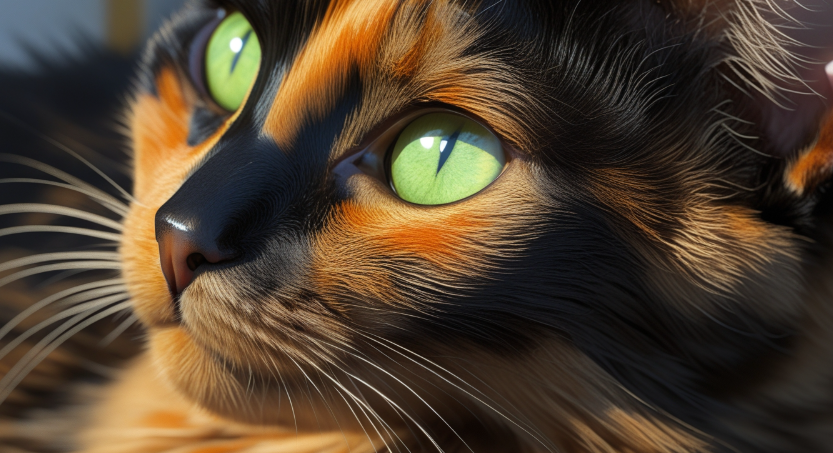
Tortoiseshell cats, affectionately called “torties”, are admired for their vibrant mix of black, orange, gold, and cream patches. But their striking looks aren’t the only reason they stand out. These cats are known for their bold, expressive, and unpredictable personality—often described as “fiery”. Their blend of attitude, intelligence, and emotional depth makes them truly unforgettable companions.
1. The Origin of Their Beautiful Coat Colors
The tortoiseshell pattern isn’t a breed—it’s a color variation that appears in many cat breeds. Their unique fur is created by the combination of two pigments:
| Pigment | Color Influence |
|---|---|
| Eumelanin | Produces black or dark shades |
| Pheomelanin | Produces orange or golden tones |
These pigments blend in random patterns, meaning no two tortoiseshell cats ever look the same. Most torties are female because the gene responsible for their color pattern exists on the X chromosome. Male tortoiseshells are extremely rare and usually occur due to unusual chromosomal combinations.
2. What Is “Tortitude”?
Many cat owners swear that tortoiseshell cats have their own unique personality type—known as “tortitude.” While personalities vary, torties are commonly described as:
- Independent thinkers
- Highly intelligent
- Quick to react
- Bold and confident
- Sensitive to their surroundings
Their mood can shift from snuggly to energetic in an instant. This expressive behavior makes them fun, unpredictable, and lovable companions.
3. Energetic and Curious by Nature
Tortoiseshell cats are naturally active and adventurous. They excel at climbing, exploring, and hunting. Their sharp senses and fast reflexes come from their strong predator instincts.
To keep them mentally and physically stimulated, it’s helpful to provide:
- Puzzle toys
- Climbing shelves or cat trees
- Interactive play sessions
- Exploration spaces
A bored tortie often discovers her own entertainment—sometimes knocking things over or investigating forbidden corners of the house.
4. Emotional Cats With Deep Bonds
Despite their confident behavior, torties are also emotionally sensitive. They often form strong attachments to a specific person. Signs of affection may include:
- Following their human around
- Sleeping close by
- Soft, gentle meows
Torties may become restless if their routine changes or if they feel ignored. With steady love and consistent care, they develop deep and loyal relationships.
5. Their Communication Style: Bold and Expressive
Tortoiseshell cats rarely keep quiet. They communicate clearly through:
- Distinct meows for attention
- Purring when relaxed
- Quick tail flicks when excited
- Strong eye contact
Many owners even describe them as cats that “talk back,” making conversations lively and entertaining.
6. Are Tortoiseshell Cats Good With Families?
Yes—torties can be wonderful family pets, especially in homes that appreciate their spirited personality. They thrive in environments where people enjoy interacting and playing with them.
They often do well with older children who understand how to respect a cat’s boundaries. With proper introductions, tortoiseshell cats can also get along well with other pets.
7. Cultural Beliefs and Good Luck
Tortoiseshell cats are associated with good fortune in many cultures:
- Japan: Seen as protective and lucky
- United States: Often nicknamed “money cats”
- Ireland: Believed to bring prosperity
Their rare appearance and lively spirit contribute to these positive legends.
8. Health and Lifespan
Tortoiseshell cats are generally healthy because the pattern appears in many strong, diverse cat breeds. Female torties—which represent over 99% of all tortoiseshell cats—usually live long and active lives.
Male tortoiseshells, while extremely rare, may face health issues due to unusual chromosomal patterns, but this does not apply to females.