The Complete Guide to Plecostomus (Pleco): Care, Diet & Why Aquarists Love Them
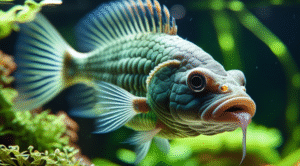
In the aquarium hobby, few fish are as trusted as the Plecostomus, commonly called the Pleco. These peaceful bottom-dwellers are famous for cleaning algae, maintaining tank hygiene, and moving quietly across aquarium surfaces like natural vacuum cleaners. But Plecos are far more than just tank cleaners—they are intelligent, hardy, and full of character.
What Is a Pleco?
The word “Pleco” refers to many species of armored catfish from South America, belonging to the Loricariidae family. They are recognized for:
- Suction-cup shaped mouths
- Hard, armored body plates
- Calm, peaceful temperament
- Strong natural algae-cleaning habits
Popular Pleco varieties include:
- Common Pleco
- Bristlenose Pleco
- Clown Pleco
- Zebra Pleco
- Sailfin Pleco
Why Plecos Are Known as the Best Algae Cleaners
Plecos have a unique mouth designed like a suction cup, allowing them to cling to surfaces and scrape away algae effortlessly. They also consume leftover food and biofilm, helping prevent waste buildup.
- Stick to glass, rocks, driftwood
- Reach corners other fish cannot
- Reduce ammonia by consuming leftover food
How Plecos Clean Algae
1. Constant Grazing
Plecos scrape algae slowly throughout the day and night, keeping the tank clear without damaging plants.
2. Specialized Teeth
Their teeth are built to grind algae, wood fibers, and natural biofilm.
3. No Training Required
Cleaning is their instinct—ideal for beginners.
Different Pleco Species and Their Sizes
| Pleco Type | Adult Size | Tank Requirement | Notes |
|---|---|---|---|
| Common Pleco | 18–24 inches | 200+ liters | Excellent cleaner but grows very large |
| Bristlenose Pleco | 10–15 cm | 80+ liters | Best algae eater for most home tanks |
| Clown Pleco | 8–10 cm | 50+ liters | Requires wood in diet |
| Zebra Pleco | 7–8 cm | 60+ liters | Rare species, not an algae eater |
| Sailfin Pleco | 30–35 cm | 250+ liters | Excellent cleaner with large fins |
What Plecos Eat
A balanced Pleco diet includes:
- Algae wafers
- Sinking pellets
- Blanched vegetables (zucchini, cucumber, spinach)
- Driftwood (for wood-eating species)
- Occasional protein: bloodworms, brine shrimp
Best Tank Conditions for Plecos
- Temperature: 23–28°C
- pH: 6.5–7.5
- Provide caves and large hiding spots
- Use strong filtration
- Soft substrate preferred
Plecos are nocturnal, so they explore more when lights turn off.
Common Pleco Behavior
- Cling to surfaces upside down
- Hide during the day
- Come out at night to feed
- Defend cave territory
- Move silently and smoothly
Signs of a Healthy Pleco
- Active during nighttime hours
- Strong suction grip on surfaces
- Clear, bright eyes
- Regular algae scraping behavior
- Good appetite for wafers or vegetables
Common Mistakes to Avoid
- ❌ Keeping large Plecos in small tanks
- ❌ Feeding only algae
- ❌ Not providing driftwood for wood-eaters
- ❌ Bare tanks without hiding areas
- ❌ Overfeeding, causing pollution
Why Aquarists Love Plecos
Plecos are admired because they are:
- Peaceful and community-friendly
- Low-maintenance
- Excellent natural cleaners
- Hardy and long-living (10–15 years)
- Unique and interesting in appearance
Final Thoughts
The Plecostomus is far more than just an algae eater—it is a smart, hardworking, and gentle fish that brings balance and beauty to any aquarium. With proper care, Plecos will keep your tank clean and healthy for many years.