The Turquoise Parrot: Australia’s Jewel of the Woodlands

Among the quiet forests and grassy woodlands of Australia lives a bird that appears as if nature has painted it with its most vibrant colors—the Turquoise Parrot. With shimmering blue-green feathers and a gentle temperament, this bird is widely admired for its beauty. Though not as widely known as cockatoos or macaws, the Turquoise Parrot carries a charm that captivates anyone lucky enough to spot it in the wild.
This guide offers a complete look at its color pattern, behavior, habitat, diet, breeding cycle, and conservation status.
A Color Pattern That Looks Like a Jewel
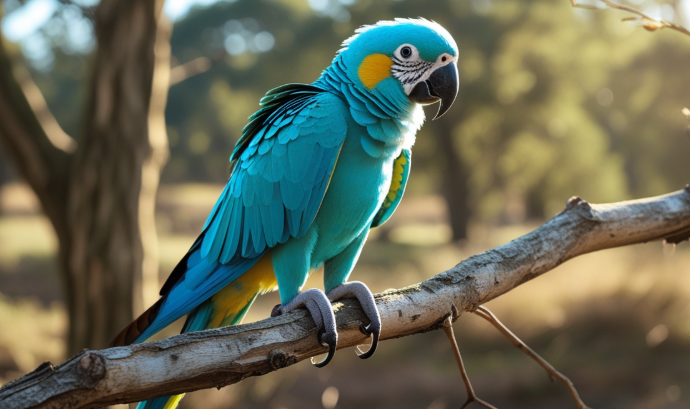
The Turquoise Parrot earns its name from its glowing turquoise-blue feathers. When sunlight hits its plumage, it shines like a gemstone. Males are noticeably brighter than females, making them easier to recognize in the wild.
Color Feature Table
| Body Part | Male | Female |
|---|---|---|
| Head | Bright turquoise-blue | Light olive-green |
| Chest | Golden-yellow | Pale yellow |
| Back / Wings | Green with blue patches | Lighter green tones |
| Tail | Deep blue | Greenish-blue |
The elegant blend of green, yellow, and turquoise makes this parrot one of nature’s most eye-catching creations.
Where They Live in the Wild
The Turquoise Parrot is native to eastern Australia, commonly found in:
- New South Wales
- Queensland
- Northern Victoria
They favor open woodlands, grassy fields, and lightly forested regions. Unlike many parrot species that stay in dense forests, Turquoise Parrots choose habitats where sunlight reaches the ground—ideal for finding seeds and insects.
Their calm nature and natural camouflage mean hikers often walk right past them without noticing a rare beauty nearby.
Gentle Behavior and Calm Personality
These parrots are known for their soft and peaceful temperament. They rarely show aggression and usually stay in pairs or small family groups.
Key Behavioral Traits
- Calm and shy, especially around people
- Strong lifelong bonding with partners
- Very quiet—use soft chirps to communicate
- Fast flyers but prefer short, low flights
- Cautious during the breeding season
This gentle nature is one of the reasons bird lovers find them so endearing.
The Natural Diet of Turquoise Parrots
In the wild, Turquoise Parrots forage mostly on the ground. Their diet is simple but nutrient-rich.
- Grass seeds
- Small insects
- Berries
- Young herb leaves
- Flower buds
They typically feed during early mornings and late afternoons to avoid heat. During droughts, they may travel long distances in search of food.
The Breeding Season Secrets
Their breeding season usually runs from September to December. They nest inside tree hollows or fallen logs. The female prepares the nest while the male remains nearby for protection.
Breeding Highlights
- Clutch Size: 3–5 eggs
- Incubation Period: ~18 days
- Chick Fledging Time: 3–4 weeks
- Lifespan: 10–12 years in the wild (longer in protected environments)
Their small size makes chicks vulnerable to predators such as foxes, snakes, and large birds.
Conservation: From Near Extinction to Recovery
The Turquoise Parrot nearly vanished between the 1920s and 1940s due to habitat destruction, hunting, and severe droughts.
Thanks to conservation efforts—such as habitat protection and legal safeguarding—their population slowly recovered. Today, they are considered stable but still sensitive to environmental changes.
Why This Bird Matters
The Turquoise Parrot symbolizes:
- The fragile beauty of Australia’s natural world
- The importance of protecting grassland ecosystems
- The essential roles that even small species play
Despite its tiny size, this bird holds a significant place in the ecosystem and reminds us of the value of conservation.