The Flowerhorn Fish Kok – Meaning, Growth, and Complete Guide
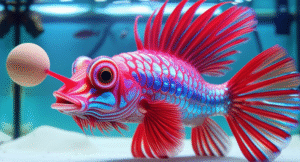
The Flowerhorn fish is one of the most recognizable aquarium species in the world. Its iconic, rounded head hump—popularly known as the “kok”—makes it a symbol of beauty, strength, and prosperity in many cultures. But this hump is not just for appearance; it carries deep biological and genetic significance.
What Exactly Is the Head Hump?
The kok is formed from a combination of fatty tissue, water storage, and muscle layers. It sits on the forehead and varies greatly in size depending on genetics, care, diet, and stress levels. Some Flowerhorns develop a small hump, while others grow a massive, balloon-like kok that is highly valued by hobbyists.
Why Flowerhorns Have a Head Hump
1. Male Attraction and Dominance
The kok functions as a sexual display trait. A larger hump makes a male appear:
- more dominant
- stronger
- more attractive to females
This trait originates from wild cichlid ancestors, where facial bulges often influence mating success.
2. Genetics & Hybrid Breeding
Flowerhorns are hybrid fish. Breeders have selectively crossed cichlids with prominent facial features to enhance hump size. The kok depends heavily on:
- genetic lineage
- parental traits
- quality of selective breeding
Popular strains like Zhen Zhu and Kamfa are known for outstanding hump development.
3. A Sign of Health and Vitality
A full kok usually indicates the fish is:
- healthy
- well-fed
- living in stable water conditions
During illness or stress, the kok may shrink temporarily as the fish loses water and fat reserves.
4. Territorial Advantage
Flowerhorns are naturally territorial. A larger hump makes the fish appear bigger and more intimidating, helping it dominate its space.
Types of Kok Shapes
| Kok Type | Description |
|---|---|
| Water Kok | Soft, filled with fluid, and generally larger in size. |
| Hard Kok | Firm, muscle-based; slower growing but more stable in shape. |
| Mixed Kok | A combination of both, common in many Flowerhorn strains. |
How the Kok Grows Throughout Life
Juvenile Stage (1–4 months)
Small bump forms; growth depends strongly on genetics.
Young Adult (5–12 months)
Rapid kok development. Good diet and stable conditions accelerate growth.
Full Maturity (1 year and above)
The hump reaches maximum size. Some males continue growing until age two.
Ways to Naturally Improve Kok Growth
1. High-Protein Diet
Foods that support kok growth include:
- specially formulated Flowerhorn pellets
- bloodworms
- shrimp & krill
- high-quality cichlid pellets
2. Clean, Warm Water
Ideal conditions:
- Temperature: 28–30°C
- Stable pH
- Regular water changes
3. Low Stress Environment
Avoid:
- overcrowding
- aggressive tank mates
- sudden disturbances
4. Proper Lighting
Balanced aquarium lighting helps support hormone activity linked to hump development.
Cultural Meaning of the Flowerhorn Kok
In many Asian cultures, a large kok symbolizes:
- good fortune
- positive energy
- prosperity
- success in business
The rounder and larger the kok, the more “lucky” the fish is believed to be.
Conclusion
The Flowerhorn’s kok is much more than a decorative hump—it reflects genetics, health, maturity, and cultural symbolism. With good care, warm water, and a nutrient-rich diet, the hump becomes a powerful symbol of beauty and strength, making the Flowerhorn one of the most admired aquarium pets in the world.