Why Dogs Tilt Their Heads – The Real Reasons Behind This Cute Behavior
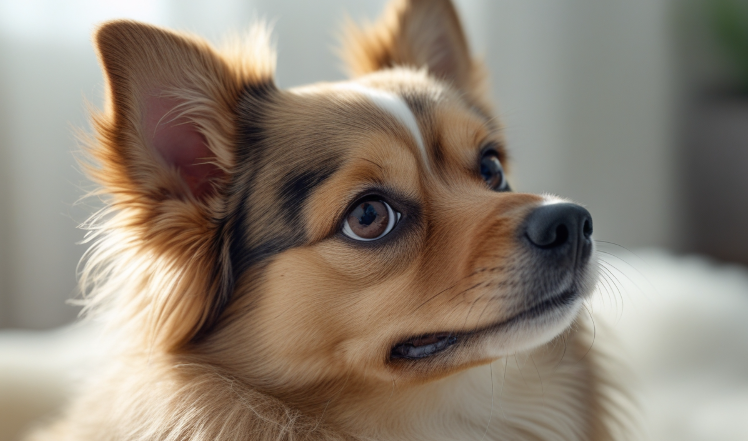
The adorable moment when a dog tilts its head melts every pet owner’s heart. But this behavior is much more than cute—it reflects intelligence, curiosity, and emotional understanding. Here, we explore the scientific and natural reasons why dogs tilt their heads, along with helpful tips for better communication.
🐶 1. They Tilt Their Head to Hear Better
Dogs depend heavily on sound to understand their surroundings. When you speak, your voice carries different pitches and tones. A head tilt helps them:
- Catch high and low sound frequencies more clearly
- Identify the exact direction of a noise
- Understand unfamiliar sounds
- Differentiate the words you use
This is why dogs often tilt their head when you say exciting words like “walk?” or “treat!”
👃 2. Their Nose Shape Affects Their View
Long-nosed breeds—such as Greyhounds, Collies, and Borzois—may tilt their head more often. Their snout can block part of their forward vision, so tilting helps them see your:
- Eye movements
- Lip motions
- Facial expressions
This visual clarity helps them understand your communication better.
❤️ 3. They Are Reading Your Emotions
Dogs are emotionally aware animals. A head tilt can mean your dog is trying to interpret your:
- Facial expressions
- Voice tone
- Body language
Soft, high-pitched, or excited voices commonly trigger this behavior as they try to understand your emotional state.
🧠 4. It Shows Intelligence and Problem-Solving
Studies suggest that head tilting is linked to mental processing. Dogs tilt their head more when they are trying to:
- Make sense of new words
- Learn commands
- Connect sounds with meaning
- Process tasks or instructions
Breeds known for word recognition—such as Border Collies—often tilt their head more frequently.
🤝 5. It Is a Sign of Attention and Bonding
When a dog tilts its head while listening, it often means:
- “I’m paying attention.”
- “I want to understand you.”
- “You matter to me.”
This simple gesture strengthens your bond and shows genuine engagement.
🎉 6. They Expect Something Exciting
Dogs frequently tilt their head when they anticipate something enjoyable, such as:
- Going for a walk
- Receiving food
- Getting a toy
- Playing outdoors
- Seeing someone come home
The head tilt is part of their excitement and curiosity.
⚠️ 7. When Head Tilting Could Be a Warning Sign
While head tilting is usually harmless, constant or one-sided tilting may point to a health issue.
Possible Causes:
- Ear infection
- Inner ear or balance problems
- Foreign object in the ear canal
- Neurological issues
- Head injury
If the behavior continues or appears suddenly, a vet check is important.
📊 Quick Summary Table
| Reason | Meaning |
|---|---|
| Better Hearing | Helps locate and understand sounds |
| Clearer Vision | Snout size affects visual clarity |
| Emotional Reading | Dog is trying to interpret your feelings |
| Intelligence | Brain processing new information |
| Attention | Shows focus and connection |
| Excitement | Expecting something fun |
| Health Issue | If tilting is constant or abnormal |
🐾 How You Can Respond
To improve communication and make your dog feel understood, you can:
- Speak in a calm, clear voice
- Reward them with gentle praise
- Use simple, consistent commands
- Maintain eye contact
- Offer treats during training
These habits strengthen trust and make your dog more confident in interpreting your cues.
❓ FAQs
Q1: Why do dogs tilt their head when we talk?
They are trying to understand your words, emotions, and tone.
Q2: Is head tilting a sign of intelligence?
Yes. Dogs that process information deeply tilt their head more.
Q3: Should I worry if my dog tilts its head too much?
If it’s constant or only to one side, it may indicate an ear or balance issue. A vet check is recommended.
Q4: Do puppies tilt their heads more?
Yes. Puppies are learning sounds and communication, so they tilt very often.
🐶 Conclusion
Head tilting is one of the most heart-warming and meaningful dog behaviors. It reflects curiosity, emotion, intelligence, and bonding. As long as the behavior isn’t excessive or one-sided, it’s completely healthy and normal — and one more reason we love our dogs so much.