The Golden Pheasant – The Royal Bird of Hidden Forests
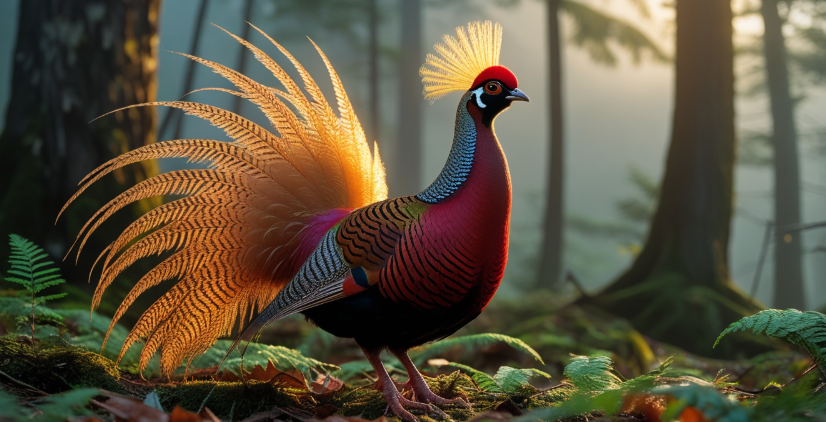
Among the world’s most striking birds, the Golden Pheasant stands out like a living piece of art. With its glowing golden crest, flame-red body, and long tail feathers, this species has earned the title “The Royal Bird of Hidden Forests.” Originally from the mountains of western China, this legendary bird is admired globally for its majestic beauty and mysterious behavior.
This guide explores the Golden Pheasant’s lifestyle, appearance, habits, and the unique qualities that make it one of nature’s rarest gems.
Origin and Natural Habitat
Golden Pheasants thrive in dense mountain forests, bamboo thickets, and cool valleys where filtered sunlight provides the perfect environment. Their natural habitat includes the mountainous regions of:
- Sichuan
- Yunnan
- Gansu
Though brightly colored, they are incredibly skilled at hiding in shaded vegetation. Today, they are also found in parts of Europe and the UK, where small wild populations have adapted well.
These birds stay close to the ground, moving silently through bushes. Even expert birdwatchers consider a Golden Pheasant sighting a rare reward.
Physical Characteristics
| Feature | Description |
|---|---|
| Coloring | Golden crest, red body, blue wings, green back, copper-gold neck ruff |
| Size | 90–105 cm (mostly tail) |
| Lifespan | 5–6 years in the wild; longer in care |
| Tail Length | Can make up two-thirds of the total body length |
Males are far more colorful, while females are brown and patterned for camouflage. During courtship, the male lifts his golden crest like a fan, creating a glowing halo similar to a royal crown.
Behavior and Personality
Golden Pheasants are naturally shy and quiet. They are most active at dawn and dusk and prefer staying hidden rather than flying openly.
Key Behaviors
- Short bursts of fast running
- Soft clucking sounds
- Calm temperament
- Strong territorial instincts during breeding
- Short-distance flight but excellent ground movement
During mating season, males perform a dramatic display—spreading cape-like feathers, circling the female, and showcasing the bright golden crest. This behavior is considered one of the most beautiful courtship dances in the bird world.
Diet and Feeding Habits
Golden Pheasants enjoy a varied diet that includes plant material and small animals.
- Grains and seeds
- Leaves and shoots
- Berries
- Small insects
- Worms
In captivity, keepers often add high-protein feed, fresh vegetables, and fruits to help maintain the bird’s bright, healthy feathers.
Adaptability and Care Requirements
Though exotic, Golden Pheasants adapt well to different climates when provided with proper care and shelter.
Care Essentials
- Spacious aviary
- Strong, safe fencing
- Clean drinking water
- Balanced diet
- Protection from harsh cold
- Low-noise, stress-free space
As quiet and non-aggressive birds, they are considered easier to manage than many large parrot species.
Breeding Characteristics
Golden Pheasants breed during warmer seasons. The male becomes brighter during this time to attract females. Females typically lay 6–12 eggs, which they incubate for about 23 days.
Chicks grow rapidly and begin exploring within days, though they require warmth and gradual environmental exposure.
Interesting Facts
- They inspired ancient Chinese royal designs and dragon motifs.
- Their feathers retain color vibrancy even in winter.
- Golden Pheasants can run faster than they fly.
- They use soft whistles as danger signals.
- Despite bold colors, they blend surprisingly well into forest shadows.
Conclusion
The Golden Pheasant is one of nature’s most extraordinary birds—elegant, quiet, and almost mythical in appearance. Whether observed in the wild or kept responsibly in aviaries, it continues to captivate bird lovers with its royal charm and graceful movements.
Its colors reflect the magic of ancient forests, reminding us that beauty still thrives in the world’s hidden places.