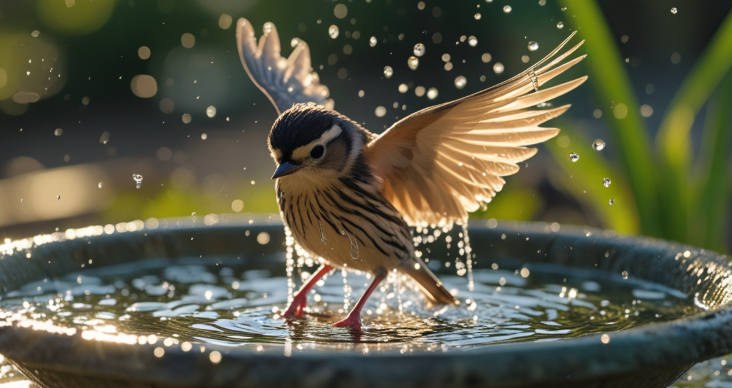

Zebra Finch Care Guide: Diet, Housing, Behavior & Health

Zebra finches are among the most cheerful and active pet birds in the world. Their soft chirping and playful behavior make them ideal for beginners and families who want a lively, low-maintenance bird. Despite their size, they have bright personalities and stay active all day.
Appearance and Behavior
Zebra finches are named for the zebra-like stripes on the male’s chest. Males have bright orange cheeks and a black tear line, while females have gentler, lighter colors. They are extremely fast and active, preferring to live in pairs or groups.
They do not usually become hand-tame like parrots, but they show comfort through gentle chirps and active behavior near their owners. Keeping a single finch can cause loneliness, so pairs are recommended.
Ideal Cage Setup
Zebra finches prefer flying horizontally, so a long rectangular cage is better than a tall one. A minimum width of 24 inches for a pair is recommended.
- Natural wooden perches
- Swings and ladders
- Lightweight toys
- Cuttlebone for calcium
- A bird bath 2–3 times weekly
Maintain a room temperature of 20–28°C and avoid loud noises or direct sunlight.
Diet and Feeding
Zebra finches eat mainly seeds, but they need a balanced diet for proper nutrition:
- Finch seed mix
- Millet spray (favorite treat)
- Fresh vegetables: spinach, broccoli, carrot
- Boiled egg mash during breeding season
- Cuttlebone for calcium
- Small fruits: apple, pear
Fresh water should be given daily. During breeding, they may also enjoy small insects such as mealworms.
Breeding and Nesting
Zebra finches are easy breeders. If provided with a nest box and good diet, they will naturally attempt to breed.
- Woven nest or wooden nest box
- Nesting materials: dried grass, hay, coconut fiber
- Clutch size: 4–6 eggs
Both parents care for the eggs. Young finches start flying within 3 weeks. Avoid breeding by simply not giving nest boxes.
Common Health Concerns
Although hardy, Zebra finches can face:
- Overgrown nails
- Mites
- Respiratory infections
- Egg binding
Regular cleaning and proper diet prevent most issues.
Quick Comparison Table
| Feature | Zebra Finch |
|---|---|
| Lifespan | 5–8 years |
| Ideal Cage | Wide, horizontal flight space |
| Noise Level | Low, soft chirping |
| Social Needs | Pairs or groups |
| Difficulty Level | Very easy, perfect for beginners |